петак, 28. јун 2019.

These 3 Skin-Care Products Literally Erased My Hormonal Acne Scars

Acne

The teenage years are when most adolescents suffer from acne flare-ups and cystic pimples. Lucky for me, I had clear, porcelain, glowing skin. I never even used skincare products! Yep, not a drop—true story. I remember how lucky I felt to not have to suffer the emotional stress and embarrassment of having a face covered in craters, redness, hyperpigmentation, and dry flakey skin… until it happened to me.
Acne

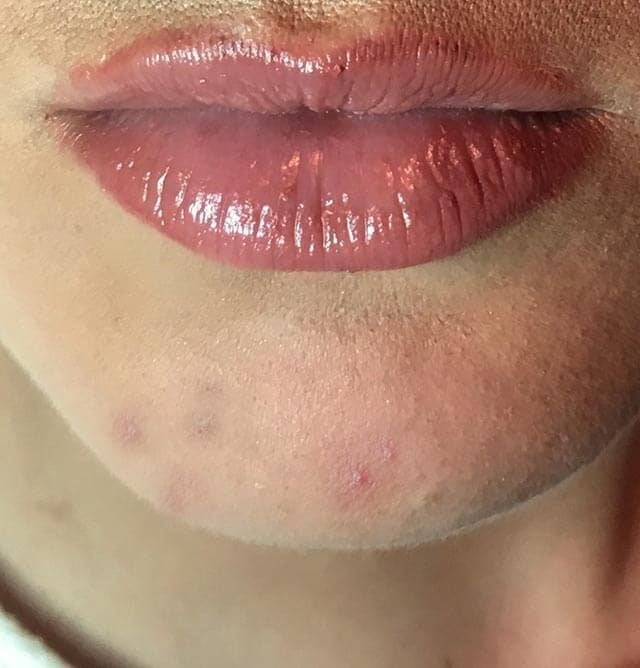
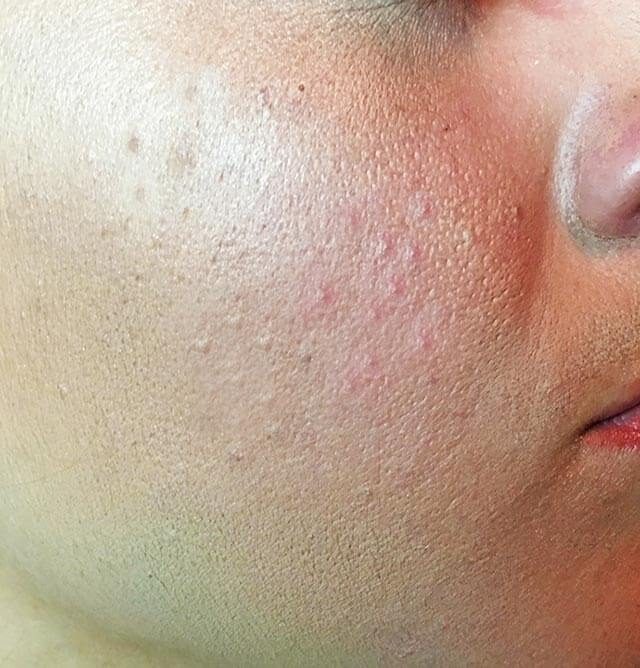
Around the time I went to college, I started noticing small breakouts along my jawline and had no idea why. I wasn’t doing anything different than I had been doing my whole life. And ironically, the better care I took of my skin, the more acne I got. I was embarrassed and depressed.

Naturally, I ran to the local pharmacy and purchased cult-favorite skin care products, including Cetaphil Gentle Skin Cleanser paired with Cetaphil Daily Facial Moisturizer SPF 15, which resulted in nothing. Nada. If anything, my skin looked and felt worse.

That’s when I got serious and made an appointment with a dermatologist, who put me on topical and oral medications to treat what turned out to be hormonal acne, due to the fact that I had stopped taking birth control. Board certified dermatologist Debra Wattenberg, MD, explains, “Hormonal acne tends to develop post-teenage years and is commonly distributed along the jawline, neck, and cheeks. It often presents with cysts that are caused by fluctuations in hormones, specifically increases in androgens like testosterone.” Causes of hormonal acne, according to Dr. Wattenberg, founder of NY Skin RX, include irregular periods, discontinuation of birth control pills, and menopause. The cysts that develop from hormonal acne are deep and hard to treat, so Dr. Wattenberg commonly recommends antibiotics, birth control pills, and anti-androgens such as Spironolactone, which dials down male hormone expression in the body. These are the clear signs you probably need prescription acne treatment.

Unfortunately, that’s not the happy ending to the story. Although my acne slowly cleared up, it left behind terrible scars, including hyperpigmentation and discoloration of the skin, which is usually caused by excessive picking at areas of irritation, popping pimples the wrong way (here’s the right way to get rid of a pimple overnight), and picking away at pimples as they are healing.

I struggled to find the solution to correct my damaged skin. I tried Sephora’s top picks for scarring from holy grail dermatologists and celebrities such as Kate Somerville, Dr. Dennis Gross, Dr. Jart, and more. Once again, I was left feeling hopeless that my skin would ever be the same.

acne

After months of research on the most powerful skin care ingredients such as Vitamin C, turmeric, and retinoids, I finally found my skincare saviors: Peter Thomas Roth’s Acne Clearing Wash and Mad Hippie Vitamin C Serum mixed with a K-Beauty staple, Skin & Lab’s Red Serum, have worked their magic to completely clear my hyperpigmentation, scarring, and redness. This product combination is a skin care miracle like I have never experienced before.

Here’s how they work: The Acne Clearing Wash has 2 percent salicylic acid, which helps eliminate the breakout cycle while removing excess oil, makeup, and bacteria. “Salicylic acid helps to destroy the attachments between skin cells, which allows exfoliation of the skin and helps to unclog pores,” explains Dr. Wattenberg. “It also has anti-inflammatory properties.” The formula soothes and conditions the skin with allantoin and pro vitamin B5, leaving it thoroughly clean and residue-free.

The star ingredient in Mad Hippie Vitamin C Serum is obviously Vitamin C, an antioxidant that helps to destroy cell-damaging free radicals, according to Dr. Wattenberg. It decreases inflammation from acne and helps to reduce redness, scarring, and pigmentation. This particular formulation has rose extracts to hydrate the skin, and it adds its own anti-inflammatory properties to decrease the chance for discoloration.

Skin & Lab’s Red Serum has one of the most powerful super-fruit products to slough away dead skin and prevents pore congestion. “These products exfoliate the skin, increasing cell turnover, preventing pigmentation, and scarring,” Dr. Wattenberg explains. “The anti-inflammatory effects of the vitamin C prevent superficial reddening of the skin. Salicylic acid can dissolve the keratin plug that causes a blackhead—it dissolves oil and dead skin cells, making pore look smaller. It also decreases oil production because it’s lipophilic, or water-loving, and has the ability to penetrate the pore, destroy the oil and unclog the pore.”

With this trio of products, my skin has not looked and felt this good since 2008. (Yes, that is an accurate number).

I wish I could tell you that the road to finding the products that work best for your skin ailments is quick and easy, pain-free, and not at all emotionally draining, but everyone’s experience is different. Luckily, you’re one step closer to trying something that your skin and soul will thank you for! Here’s a good place to start for the best acne treatment kits for your skin type.

The post These 3 Skin-Care Products Literally Erased My Hormonal Acne Scars appeared first on Reader's Digest.


from Reader's Digest http://bit.ly/2mT21Tx
These 3 Skin-Care Products Literally Erased My Hormonal Acne Scars Reader's Digest


4 Firework Injuries Hospitals See the Most

The emergency room is a busy place around the Fourth of July. According to the newly released 2018 Consumer Protection Safety Commission (CPSC) Fireworks Annual Report, a whopping 62 percent of the estimated annual 9,100 estimated fireworks-related injuries treated in emergency rooms happened during the height of the Fourth of July season, from June 22 to July 22. One of the safest ways to enjoy fireworks is to watch the pros do them—find the best fireworks shows in your state.

The old saying, “if you play with fire, you get burned,” certainly rings true for the 44 percent of burn injuries emergency rooms saw during the month surrounding the Fourth of July. Burn injuries were most commonly seen on the hands, fingers, and arms. Burn injuries on hands and fingers often result from getting burned while lighting a firework or holding a lit firework. One such incident included in the CPSC report is about a 13-year-old boy who ignited a smoke bomb while holding it in his hands. The smoke bomb exploded in his hand, removing a lot of skin and causing severe burns on his hand and some on his face and nose. Innocent bystanders also sustained burn injuries. The CPSC reports an incident of a woman walking her dog in the park and getting hit by a wayward rocket and suffering burns on her leg and knee, for example.

Burns can be mild, like a first-degree burn, which affects the outermost layer of skin and feels like a sunburn, says Julie Newhouse BSN, RN, CEN, Health First’s Holmes Regional Medical Center emergency department nurse manager. It gets more serious with second-degree burns. “They affect the epidermis and the dermis of the skin. Blisters can develop, and this type of burn can cause severe pain. A third-degree burn can involve all layers of the skin. The area can be black, brown, or white in color and may have a leathery appearance. This type of burn can destroy the nerves,” says Newhouse. For a mild burn, try one of these home remedies for soothing relief.

Hospitals see their fair share of contusions and lacerations also. They accounted for about 28 percent of the estimated injuries during the same period. Cuts and bruises often stem from getting hit from a projectile from a firework or firework debris—these were mostly to the eyes. Injuries aren’t just about cuts and burns. Some people leave the emergency room in a cast or with crutches; about 8 percent of emergency room patients were diagnosed with fractures and sprains. According to the CPSC report, a 13-year-old boy was hit by a multiple tube shell that fell over. The shell didn’t explode, but it did fracture his ankle. And finally, 19 percent of the estimated injuries were due to other types diagnoses not specified in the report. Do these stats scare you? Then it’s probably best to just watch some of America’s most spectacular fireworks displays instead of playing with fire yourself.

The post 4 Firework Injuries Hospitals See the Most appeared first on Reader's Digest.


from Reader's Digest http://bit.ly/2ZMLFKG
4 Firework Injuries Hospitals See the Most Reader's Digest

The Only Crash Diet to Consider If You Must Lose Weight Fast

Load up on non-starchy veggies

asparagusFace it, if you want to lose weight over the long haul, your best bet is to make sustainable, long-term lifestyle changes.But sometimes life comes at you fast and you need a fast solution. One smart lifestyle change is to eat plenty of veggies—especially for someone looking to lose weight. Vegetables are nutrient-packed and provide plenty of filling fiber with hardly any calories. Plus, non-starchy veggies have a high water content, so they hydrate you while filling you up—the perfect combination for weight loss. Shedding those pounds means shedding old habits, check out the nine simple changes this woman made to lose 45 pounds and keep them off.
Starchy veggies (like potatoes) and processed whole grains (like whole-wheat bread) are foods I’d normally recommend eating in moderation, since they provide plenty of nutrients, fiber, and healthy carbs. However, high-carb foods aren’t your best friend when you’re looking to drop water weight. Essentially, when your body stores excess carbs, it stores them with water. So replacing carb-heavy foods with non-starchy veggies that still provide filling fiber without as much water retention is the way to go. For a week before your event, you can swap out the starchy carbs for more non-starchy vegetables to lose some water weight.

Aim for filling at least half of your plate with non-starchy veggies like asparagus, peppers, broccoli, cauliflower, mushrooms, spinach, kale, cucumbers, and more. This is a great idea for everyone’s health, not just people wanting to lose weight.

The post The Only Crash Diet to Consider If You Must Lose Weight Fast appeared first on Reader's Digest.


from Reader's Digest http://bit.ly/2krRBc4
The Only Crash Diet to Consider If You Must Lose Weight Fast Reader's Digest

среда, 26. јун 2019.

22 Bathroom Mistakes You Never Knew You Made

You flush the toilet while the lid is up

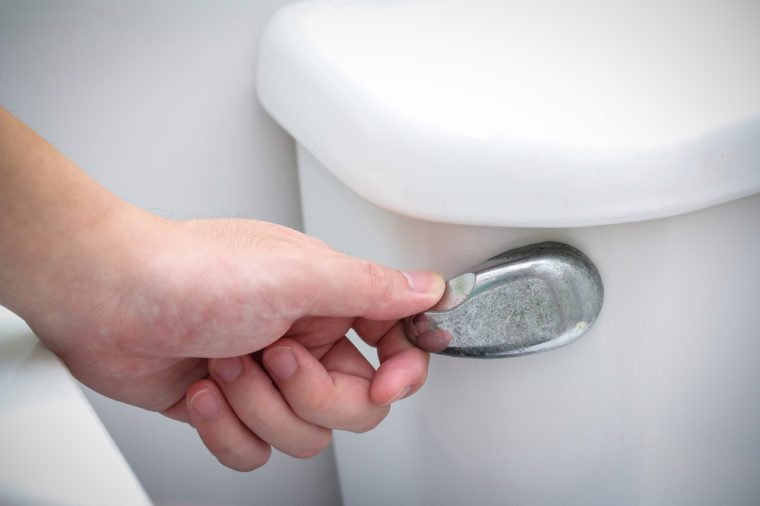
hand flush toiletFecal matter and urine can fly as far as six feet away from the toilet bowl during each flush, according to Charles Gerba, a microbiologist from the University of Arizona. Close the lid before you flush to keep those gross particles in your toilet and out of the air.  Here are more ways you never knew you were using the toilet wrong.

The post 22 Bathroom Mistakes You Never Knew You Made appeared first on Reader's Digest.


from Reader's Digest http://bit.ly/2KfGf2t
22 Bathroom Mistakes You Never Knew You Made Reader's Digest

How to Find the Best Glasses for Your Face Shape

If you have a round face:

This face shape is as wide as it is long, with the widest part occurring at the ears, like Selena Gomez, Kelly Clarkson, and Mila Kunis. “If you have a rounder face, a more rectangular, angular shape will add sharpness, highlight your cheekbones, and overall make your face look more contoured,” says Jessica Coppel, vice president of brand management at Tura.com. Coppel highly recommends choosing a frame in a brick-and-mortar store with the help of a knowledgeable optician. “It’s important to try on several styles to find the perfect fit,” Coppel adds. “When a frame fits well, and you look in the mirror, you will be more encouraged to wear glasses all day, optimizing your eyesight. A win for beauty and a win for eye health.” The frames pictured are Chamberlain by Warby Parker. Prefer to order glasses online? You should still try on several styles if you decide to buy glasses online.

The post How to Find the Best Glasses for Your Face Shape appeared first on Reader's Digest.


from Reader's Digest http://bit.ly/2xc36rL
How to Find the Best Glasses for Your Face Shape Reader's Digest

четвртак, 20. јун 2019.

13 Times You’re Overusing Hand Sanitizer

Germs are everywhere, and for those who are particularly concerned about catching a cold or infection, hand sanitizers can seem like the answer. Just a little squirt, many people think, can protect you from the nasty bugs that are everywhere in our daily life. But recently, doctors and scientists have come to realize that hand sanitizers aren’t necessarily the boon we all thought. Here’s why you need to worry about hand sanitizers: Using them too much may have dire consequences to our hand microbiome, the “good” bacteria that keep our skin, and our bodies, healthy. “There’s no question that use of hand sanitizer—not just overuse, probably any use—will ‘disrupt’ the hand microbiome,” says David Coil, PhD, a microbiologist at the UC Davis Genome Center. “The stuff really does kill a lot of microbes.” Hand sanitizer could wipe out the good bugs along with the bad; but as research is still ongoing about what constitutes a healthy hand microbiome, it can be hard to determine how much sanitizing is too much.

In this article, we’re referring to hand sanitizers that use at least 60 percent alcohol to kill germs. The Food and Drug Administration has recently updated what ingredients are allowed in hand sanitizers, so really harmful substances, such as triclosan, should no longer be in them. Still, the average consumer may want to think twice about hand sanitizers. Here are some situations where you might be overusing the products.

You have access to soap and water

You don’t need to use hand sanitizer to stay germ-free. In fact, hand sanitizers should always take a back seat to plain old soap and water: According to the U.S. Centers for Disease Control and Prevention (CDC), the best way to get rid of germs is by proper hand-washing, which physically removes the bugs and washes them down the drain. “Soap and water is always a great way to clean your hands,” says Graham Snyder, MD, medical director of infection prevention at UPMC. “At home, soap and water should be the go-to method. Alcohol-based hand sanitizer can be helpful when soap and water are not available.” Using hand sanitizer can seem easier than taking a trip to the sink, but if one is available, you should use it. “Soap and water is preferable in all situations which it’s possible,” Dr. Coil says.

Your hands are visibly dirty

Anyone who’s tried to use hand sanitizer to clean dirt off their hands knows this just creates a muddy mess. “Alcohol-based hand sanitizers do not remove dirt, and are less effective at killing bacteria and viruses when hands are soiled,” Dr. Snyder says. “It’s important to use soap and water if your hands need to be cleaned of dirt.” So after participating in sports, gardening, or playing outside, avoid the hand sanitizer.

You’ve been handling chemicals

The CDC also notes that hand sanitizers are probably not very effective at getting rid of contaminants from harmful chemicals such as pesticides or heavy metals. In one study on farm workers, those who used hand sanitizer to clean their hands had increased levels of pesticides in their bodies than those who didn’t. Although more research is needed, if you’re handling hazardous materials, don’t rely on hand sanitizer. Wash your hands thoroughly afterward.

When someone sneezes next to you

If you’re at the office or on the train and a sick person is coughing and sneezing close to you, your first instinct might be to reach for the hand sanitizer. But, chances are you’ll catch their infection through the air droplets you’re breathing in, not the germs on your hands. “Contaminated hands are only one way to get sick with an infection,” Dr. Snyder says. “Other ways to pick up a germ that can cause infection include inhaling germs in the air; for example, influenza.” To better prevent the flu, be sure to a yearly a flu shot; and remember other ways to avoid getting sick such as preventing insect bites, and properly preparing and storing food.

woman sneeze sick

You haven’t touched anyone or anything else

You might be putting on hand sanitizer without even thinking about what you did or didn’t touch; it’s just habit. But, this overuse could actually create resistant bacteria, according to a recent study. “They pretty convincingly showed that those bacteria have become more resistant over time, and even test the relevance of that finding in mice,” Dr. Coil says. “It’s really not surprising: Bacteria can, and have, evolve to develop resistance to pretty much anything.” So the more we use hand sanitizer routinely, the greater the likelihood germs may become tolerant of the alcohol. Reserve using the stuff for when it’s really necessary.

You’re in the middle of an outing

In trying to cut back on using hand sanitizers, some experts say it’s probably not necessary even when you’re out and about unless you’re going to eat and can’t wash your hands. “I personally think it’s totally unnecessary in places like grocery stores,” Dr. Coil says. Instead, avoid touching your face to prevent any hand germs from getting into your body until you have access to a sink. When you get home, wash your hands right away.

You just sanitized five minutes ago

The more you use hand sanitizer, the more your skin won’t like it, which is why it’s one of the 10 things dermatologists refuse to use on their hands. “I think that irritation or drying out are both certainly possible from overuse,” Dr. Coil says. And ironically, might there a risk of skin that’s dry and cracked leading to more infection? “It at least seems plausible,” he says. If you’re going to use hand sanitizer, instead of constantly reapplying, do it once properly right after contamination occurs, such as after shaking someone’s hand (this is because hand sanitizer last hours less than you thought it did): The CDC says to rub over all surfaces of both hands until your hands are dry, about 20 seconds. Plus, make sure you don’t wipe it off.

You’ve touched raw meat

It should go without saying that before and after you prepare food, wash your hands because hand sanitizers aren’t going to cut it. Raw meat and fish can make hands greasy, which the CDC notes will cause hand sanitizers not to work as well. The FDA’s guide for food service workers also stresses that hand sanitizer cannot be used in place of hand-washing. So after preparing food or after going fishing, use soap and water instead.

Pork meat raw. Assorted of pork meat with garlic hanging. Raw Pork meat. Assortment of raw pork meat.

You’re on a cruise

Cruisers beware: The hand sanitizers you stocked up on before you set sail might not do much against norovirus, the gastrointestinal illness that has been known to make its way around cruise ships. “A few bad germs may not be removed or killed as well with alcohol-based hand sanitizers as with soap and water—norovirus, a virus that causes vomiting and diarrhea, is one of these germs,” Dr. Snyder says.

When someone’s throwing up

But norovirus doesn’t just attack on ships, so be vigilant about hand-washing whenever GI symptoms are present in a family member or coworker: It’s one of the 8 crucial tips for avoiding the dreaded stomach flu. “If you or someone at home is sick with vomiting or diarrhea, washing your hands with soap and water is a better way than alcohol-based hand sanitizers to prevent others from getting sick,” Dr. Snyder says. And remember that trying to avoid all germs with hand sanitizer can create a false sense of security, Dr. Coil says. “Say you are working somewhere where there are a lot of people touching a lot of things, so you use hand sanitizer to ‘protect yourself from germs,'” he says. “And then you get norovirus, which you would have avoided if you had just been washing your hands well with soap and water.”

You’re around children

Although hand sanitizer is safe to use on kids, the CDC notes some concerns regarding children having regular access to it. “Using alcohol-based hand sanitizers as they are intended for use on the hands will not result in any significant absorption of alcohol into the body,” Dr. Snyder says. But, “ingestion or inhalation of alcohol-based hand rub may result in injury or toxicity.” Hand sanitizer is often not in a child-proof container, and from 2011 to 2015 U.S. poison control centers received almost 85,000 calls about hand sanitizer exposures in children. Hand sanitizer-lovers should be aware of the risks involved in keeping it easily accessible in purses, cars, and around the house.

You should be homesick

If you think that using hand sanitizer after you blow your nose means you’re good to go out when you’re sick, think again. “Hand hygiene is an essential way to prevent many infections, but preventing infections also includes…staying home when we’re sick to prevent infecting others,” Dr. Snyder says.

You’ve just gone to the bathroom

If you’re using a porta-potty, hand sanitizer might be your only option for cleaning your hands. But if you can get to a sink, once again: Use it. The same goes for after you’ve changed a dirty diaper, touched animals, or handled garbage. According to the CDC, any situation you’d regard as generally germy is going to be better neutralized with soap and water. The only time to use hand sanitizer in these cases is if you truly have no access to a sink. To recap why: “Hand sanitizers are probably not great for your skin, they lead to resistance, they create a false sense of security, and they displace soap and water which is preferable anyway,” Dr. Coil says. If you’re looking for ways to get rid of all the extra hand sanitizer you now have, try these 21 genius uses of hand sanitizer you’ll wish you knew before.

The post 13 Times You’re Overusing Hand Sanitizer appeared first on Reader's Digest.


from Reader's Digest http://bit.ly/2KroWjG
13 Times You’re Overusing Hand Sanitizer Reader's Digest

понедељак, 17. јун 2019.

34 Things Your Parents’ Health Reveals About You

Pimply skin

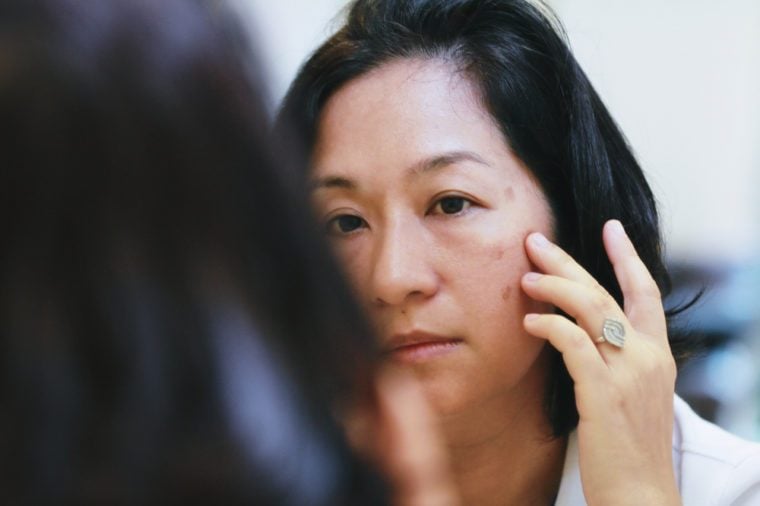
40s Asian woman looking on her face skin in the mirror and look worried or concern about the Aging skin problem.Brownish colored patches or melasma appear on the cheeks.Acne is the most common skin disorder—up to 80 percent of us will suffer from it at some point in our lives. And it turns out we can often thank our parents: The development of painful rashlike—cystic—pimples has both environmental and genetic components. If you have adult acne and haven’t had success treating it with over-the-counter regimens and lifestyle changes, see a dermatologist. Prescription treatments have come a long way since you were in high school. If you’re surprised to learn that acne is genetic, you’ll never believe these 16 quirky traits you didn’t know you inherited.

The post 34 Things Your Parents’ Health Reveals About You appeared first on Reader's Digest.


from Reader's Digest http://bit.ly/2PKZwfh
34 Things Your Parents’ Health Reveals About You Reader's Digest